
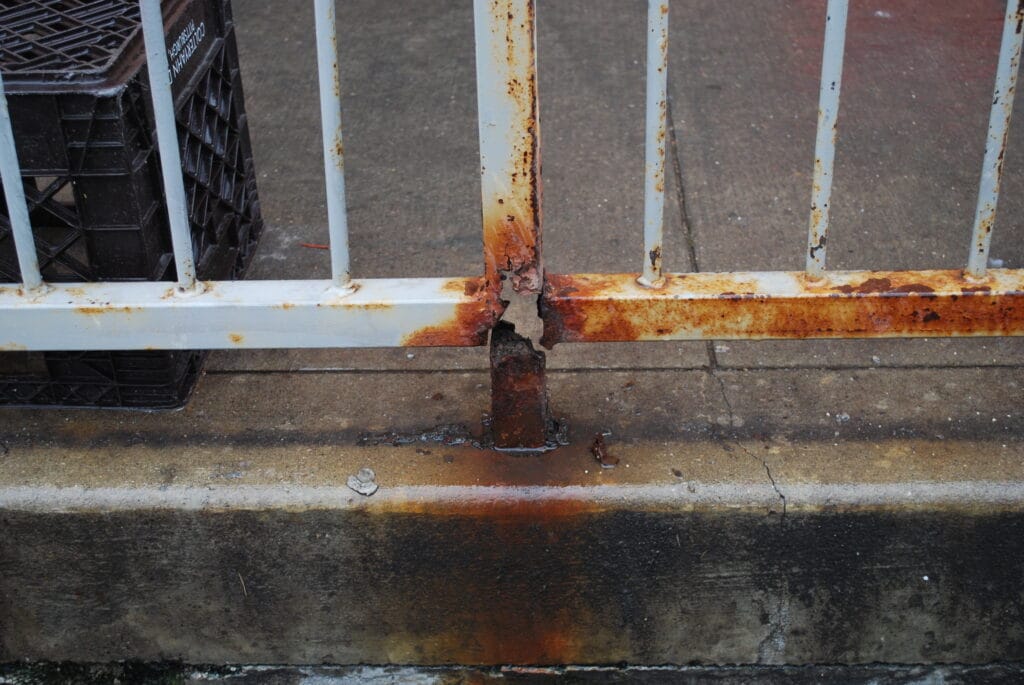
Balcony glass railings don’t just shatter out of the blue. Most of the time, trouble starts with little things rust creeping out from the fittings after the first heavy rains, clamps that wiggle when you lean on them, or edges of the glass turning cloudy because water found its way in. Usually, by the time you spot these signs, the damage has been building up quietly for months.
We get asked the same question almost every week:
“If glass is so strong, why did my neighbor’s balcony railing start rusting and shaking after only a couple of years?”
The answer usually has very little to do with the glass itself.
The glass itself almost never fails first.
If you’re installing outdoor balcony railings in Karachi, you want 12 mm tempered safety glass or the right kind of laminated safety glass whichever fits your railing design and meets the structural specs. Reputable suppliers stick with tempered or laminated glass because it handles impact way better than regular float glass.
But honestly, the real trouble usually starts somewhere else:
>Low-quality stainless steel hardware
>Anchors that don’t grip the concrete properly
>Bad sealants
>Or just plain sloppy installation
At the end of the day, your glass railing is only as good as the stuff holding it all together. The glass gets all the attention, but it’s the other parts that let you down first.
The glass itself almost never fails first.
If you’re installing outdoor balcony railings in Karachi, you want 12 mm tempered safety glass or the right kind of laminated safety glass—whichever fits your railing design and meets the structural specs. Reputable suppliers stick with tempered or laminated glass because it handles impact way better than regular float glass.
But honestly, the real trouble usually starts somewhere else:
Low-quality stainless steel hardware
Anchors that don’t grip the concrete properly
Bad sealants
Or just plain sloppy installation
At the end of the day, your glass railing is only as good as the stuff holding it all together. The glass gets all the attention, but it’s the other parts that let you down first.
Cheap fittings can cost far more later
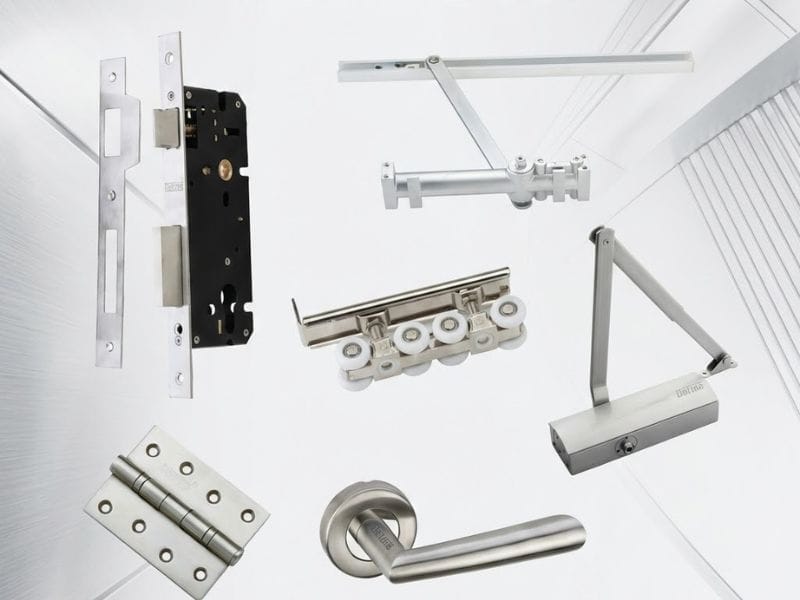
Most homeowners just worry about the price of the glass. But there’s more going on under the surface.
Let’s say you get two quotes and one’s way cheaper. It’s not always about the glass itself. Sometimes, the lower price comes from stuff you don’t notice right away—like flimsy brackets, weak anchor bolts, imported fittings with no proper certification, or “stainless” hardware that’s actually SS201, which rusts fast.
Picking better hardware from the start saves you a headache later. If you end up replacing rusted fittings after everything’s already installed, you’ll pay a lot more than you would have upfront.
Sure, thickness is important, but the whole system matters.
People often ask if 10 mm glass is enough for a balcony. But honestly, thickness isn’t the whole story. It’s about panel size, how it’s mounted, the distance between supports, building height, and local wind loads. Most modern frameless balcony setups use 12 mm toughened glass. If you want something really sturdy, premium systems might have 17.5 mm laminated glass, plus robust base channels for extra strength.
If you only focus on glass thickness and ignore the engineering, that’s like trying to judge a car just by looking at its tires.
Installation quality shows its true colors after the first heavy rain.
A bad installation usually looks good on day one. But problems sneak up later. We’ve seen railings with water pooling inside badly sealed base channels, anchor bolts too close to concrete edges so they start to loosen, or glass under constant strain because installers didn’t line everything up properly. You won’t spot these issues at handover—they crop up after a season or two of Karachi’s rain.
So, what should you actually budget?
Prices depend on the specs—type of glass, railing design, imported hardware, site conditions. There’s no single number. In Pakistan, decent glass-and-steel balcony railings typically run between PKR 5,500 and PKR 8,000 per running foot for tempered glass and stainless steel fittings. If you go for a fancy frameless design, custom engineering, or marine-grade hardware, expect to pay more.
If one quote is way below the rest, ask what grade of stainless steel they’re offering, what glass specs you’re getting, and how the fixing system works before you start comparing numbers.
How to avoid your railing falling apart before its time
If you’re about to spend on a glass balcony railing, grill your contractor a bit first:
Are the fittings SS304 or SS316? And where exactly will they be used?
Is the glass tempered, laminated, or both?
What’s the glass thickness?
How are the base channels or brackets attached to the building?
What warranty actually covers the job—not just the glass?
The contractors who can answer straight up usually know what they’re doing. The ones who dodge these questions? They probably count on the fact that problems won’t pop up until long after you’ve paid the bill.